
When you’re buying facial tissue in bulk, a sample may look good at first glance. The paper feels soft, the packaging looks attractive, and the price seems reasonable.
But there are a few more things worth checking before placing a large order.
Will the tissue perform well during everyday use? Is the packaging suitable for your market? And most importantly, will the bulk order match the sample you approved?
For importers, wholesalers, and distributors, these questions matter. Whether you’re sourcing tissue for everyday retail sales or developing your own product range, choosing the right facial tissue products is about more than appearance and price. You also need to consider quality, consistency, and the needs of your target market.
Let’s look at a few practical ways to evaluate facial tissue samples and make a more confident purchasing decision.
Before testing the paper itself, make sure you understand exactly what the supplier is offering.
Two facial tissue products may look similar but differ in sheet size, ply count, raw materials, or the number of sheets per pack. These differences can affect both product performance and the final cost.
Here are the main details to confirm:
You can also ask about GSM, or grams per square meter, when comparing products with similar specifications.
A higher ply count or GSM does not automatically mean better quality. The paper structure, raw materials, and manufacturing process also influence the final product.
Before requesting quotations, prepare a simple specification sheet and share the same requirements with each supplier. This makes price comparisons fairer and helps avoid misunderstandings later.
Softness is one of the first things people notice when using facial tissue. Strength matters, too. Customers generally want tissue that feels comfortable but doesn’t tear too easily during normal use.
When comparing samples, start with the basics.
Take the same number of sheets from each product and gently touch the surface. Does the paper feel smooth or rough? Is it comfortable against the skin? Does it feel suitable for the price range you’re targeting?
Next, gently pull a sheet to compare its resistance to tearing. Notice whether the paper feels reasonably strong and consistent.
These simple checks won’t replace laboratory testing, but they can help you identify obvious differences between samples.
It’s also important to consider your target market. A premium retail brand may prioritize a particularly soft feel, while a value-focused product may need to balance acceptable softness with cost.
Rather than asking which tissue is the best overall, ask which one best matches your customers’ expectations.
Absorbency and lint are two more factors worth checking before placing a bulk order.
To compare absorbency, place a similar amount of water on separate sheets under comparable conditions. Observe how each tissue absorbs the water and whether it becomes weak or breaks apart too quickly.
This is only an initial comparison, not a standardized test. If your business requires specific performance levels, ask your supplier about the relevant testing methods.
You should also check for loose fibers or excessive lint. Gently rub a few sheets together and observe whether they leave noticeable residue. Repeat the check with several sheets rather than relying on a single observation.
A small amount of fiber release may occur with tissue paper. What matters is whether the performance meets your product requirements and your customers’ expectations.
Remember that no single test tells you everything about a tissue’s quality. It’s better to consider softness, strength, absorbency, and lint together.
For B2B buyers, packaging is more than an attractive design. It protects the product, supports your brand image, and affects how the goods are handled during transportation and storage.
When checking a sample, pay attention to the following:
For soft-pack facial tissue, dispensing performance deserves particular attention. If several sheets come out together or the opening tears easily, customers may be disappointed even if the paper itself is good.
If you’re developing your own brand, confirm the artwork and packaging specifications before mass production. If you need custom facial tissue packaging, discuss the available options, minimum order quantity, and artwork requirements with your supplier before production begins.
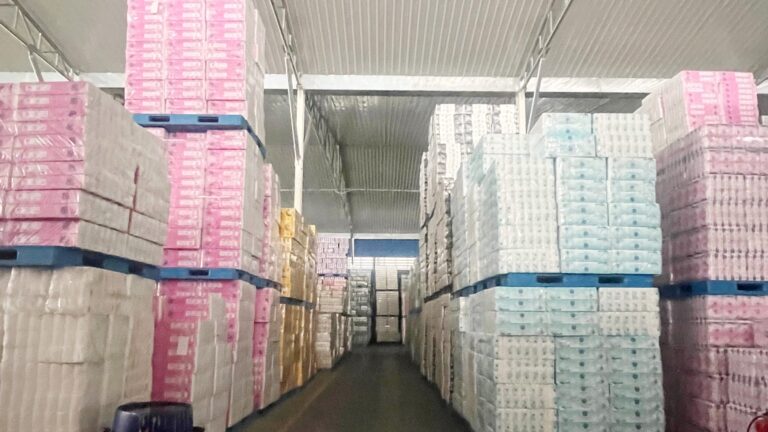
You should also confirm the number of packs per carton and the carton dimensions. These details affect warehouse handling, shipping arrangements, and your overall landed cost.
This is one of the most important considerations when buying facial tissue wholesale.
A sample may meet your expectations, but you also need confidence that the mass-produced goods will follow the agreed specifications.
Before confirming the order, ask your supplier to document the product details, including ply count, sheet size, sheet count, raw materials, packaging design, and carton packing.
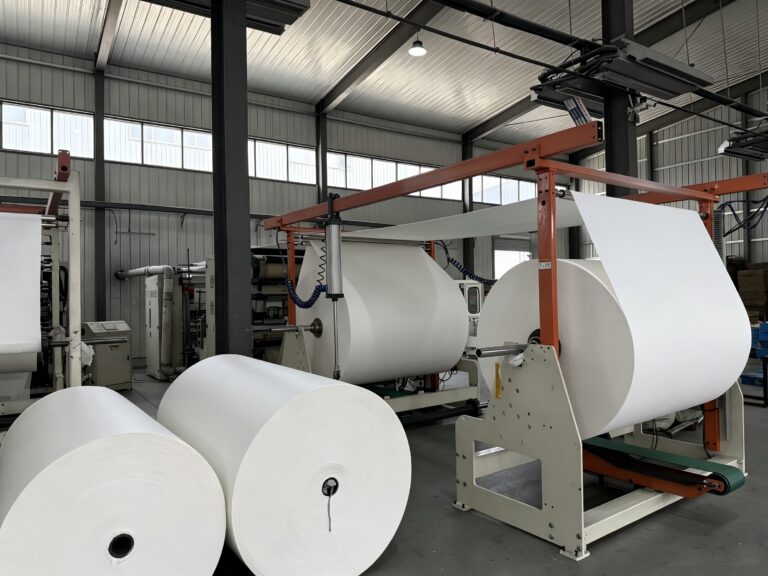
It’s also worth asking how quality is checked during production and before shipment. Depending on the order requirements, checks may cover paper appearance, product dimensions, pack quantity, packaging integrity, and carton labeling.
For larger orders, you may wish to agree on a pre-shipment inspection plan.
Keep a record of the approved sample and final specifications, especially if you expect to place repeat orders. This gives both sides a reference if questions arise later.
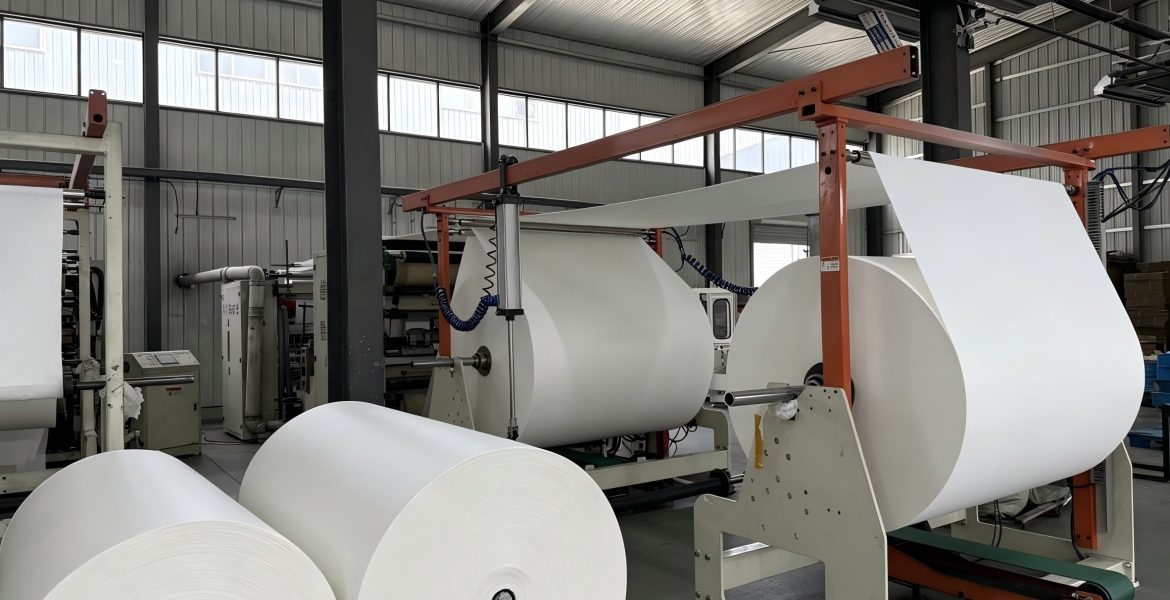
It’s also worth learning about your supplier’s company background and production experience. Understanding the company’s capabilities and how it manages production can help you decide whether it is a suitable partner for long-term cooperation.
You don’t need to ask every supplier a long list of technical questions. Start with three that directly affect your purchasing decision.
1. Can you provide a complete product specification and sample?
This allows you to evaluate the product and compare it with other quotations before committing to a large order.
2. How do you maintain quality during mass production?
Ask about the checks relevant to your product and whether the supplier can provide supporting records when needed.
3. What customization and packaging options are available?
If you plan to sell under your own brand, confirm the available packaging formats, minimum order quantity, artwork requirements, and production lead time.
These questions help you understand not only the product but also how well the supplier communicates and manages your requirements. For long-term B2B cooperation, both are important.
Before confirming your next facial tissue order, use this checklist to review the essentials.
| Item | What to confirm |
|---|---|
| Specifications | Ply count, sheet size, sheet count, raw materials |
| Paper quality | Softness, strength, absorbency, and lint |
| Packaging | Print quality, sealing, artwork, and dispensing |
| Carton packing | Quantity per carton and dimensions |
| Production quality | Agreed specifications and quality checks |
| Supplier communication | Samples, lead time, customization, and issue handling |
Your priorities may differ depending on your market. A wholesaler supplying everyday products may focus more on price and consistent supply, while a retailer building a premium brand may pay closer attention to softness and packaging.
The important thing is to decide what matters most to your customers before placing the order.
Start by checking the product specifications, then compare samples for softness, strength, absorbency, lint, packaging, and dispensing performance. Confirm the quality requirements with your supplier before mass production.
No. Thickness and GSM are only part of the picture. Raw materials, paper structure, softness, and strength also affect overall performance.
Yes. Samples allow you to evaluate the product before committing to a larger quantity. For customized orders, confirm the final specifications and packaging artwork before production.
Keep a record of the approved sample and agreed specifications. Ask about production quality checks and consider arranging a pre-shipment inspection for larger orders.
Choosing facial tissue for bulk purchasing is about more than finding an attractive price. You also need a product that meets your specifications, performs well in everyday use, and maintains consistent quality from one order to the next.
Taking time to compare samples, check packaging, and discuss quality control with your supplier can help you avoid unnecessary problems later.
At Baoding Roushun Trading Co., Ltd., we understand that different markets have different needs when it comes to facial tissue products. Whether you’re looking for wholesale facial tissue or customized packaging for your own brand, we’re happy to discuss your requirements and explore suitable options.
If you’re planning your next purchase, contact our team to discuss your preferred product specifications, packaging requirements, and estimated order quantity. We’d be glad to learn more about your business and see how we can work together.
Integer ornare ipsum eget ridiculus. Quam id eu tempus, elit est dictum ut euignissim cursus id et integer purus.